LoaderSave StorySave this storyCommentLoaderSave StorySave this storyA small San Francisco startup known for making well-appointed, beautifully designed webcams is now vying to become the AI hardware company of the moment.
Opal Camera is rebranding to Opal Electronics and will expand its product portfolio beyond webcams to a broad range of consumer devices, some of which will be AI-focused. It aims to emulate Sony Electronics as a wide-ranging consumer gadget brand by focusing on design and culture, not just tech.
The transition was possible thanks to a $40 million Series B funding round from OpenAI. Some details about the investment were first reported in 2024, but the deal was closed in the first quarter of 2025. Other investors in Opal include Samsung, Peter Thiel, Seven Seven Six (Alexis Ohanian's venture capital firm), and noted tech YouTuber Marques Brownlee (known as MKBHD), among others, according to a source close to the deal. Opal is now valued at around $275 million.
Opal Electronics declined to comment. OpenAI did not respond to WIRED's request for comment.
OpenAI CEO Sam Altman was an early customer and fan of Opal's original C1 webcam, so much so that his team visited Opal's offices in 2022 to ask whether OpenAI's Whisper voice transcription model could run locally on Opal cameras for live subtitles on Zoom. The source, who asked to remain anonymous because they are not authorized to speak publicly about the matter, says it was at the end of this meeting that OpenAI showed the Opal team a preview of ChatGPT. It made such an impact on the attendees that the company decided to turn into a research lab.
Since then, Opal has been working on an AI-powered audio product for the last few years. This, in turn, is the product that convinced Altman to invest in Opal. It will launch in the next three to four months and is currently being tested by Altman, researchers at OpenAI, and by executives at xAI, Thinking Machines, and Anthropic. It's unclear whether it’s a wearable, though the source says it's a familiar product category, and that it's not designed to compete with the iPhone.
OpenAI famously teamed up with ex-iPhone designer Jony Ive and his firm, LoveFrom, to explore personal hardware devices that would run ChatGPT and OpenAI’s other software. It’s not clear yet what the exact hardware strategy is for OpenAI, but its first product is rumored to be something akin to a smart speaker, with an expected launch date of early 2027.
Opal's audio product will launch in partnership with a specific AI lab—the source was unable to specify which—but Opal is in talks with OpenAI, Anthropic, and xAI, allowing users to switch models to their preference. Opal Electronics plans to release two other products in the next 12 months.
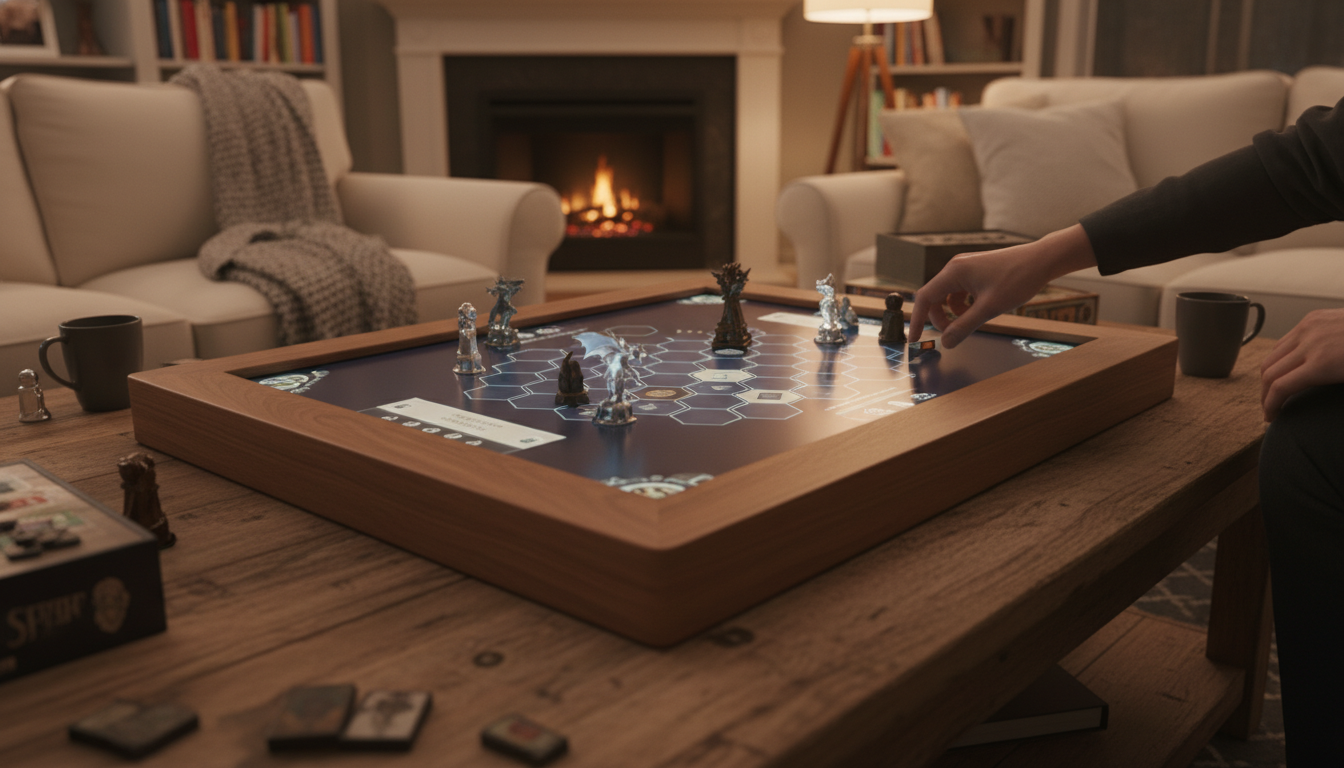
Courtesy of Opal ElectronicsOn its new website, a looped video plays, shot from below a glass table, showcasing several products Opal has been designing. “In three years, we have not released a product, and our table has grown full,” the website reads. Opal notes on its website that it plans to remain a small company; when its products reach the ends of their lives, Opal says it will release 3D drawings, manufacturing plans, circuit board schematics, and software to the public domain so people can figure out ways to keep using the products.
OpenAI is now the largest shareholder in Opal, but according to the source, it does not have rights to Opal's intellectual property or designs. Opal can work with any AI lab it wants and is already in conversations with third parties for the launch of its next product.
Opal wasn't struggling when it decided to pivot. According to the source, the company had sold over 50,000 webcams by 2023. It had a team of five people when it launched its first webcam, which grew to 12 people by the time it launched its second product. The company manufactures its products in Taiwan.
At the onset of the generative AI boom, several companies raced to be the first to sell fresh hardware imbued with large language models—with some promising to be so useful that they would end our dependence on smartphones. Nearly all of those hardware products have failed, from the Humane Ai Pin to the Rabbit R1. With a note on its website promising to “promise little and deliver beyond that," Opal Electronics seems to be taking a more measured approach.
---
**İlgili Kaynaklar:**
Bu alanda profesyonel destek için [GEO eğitim](https://geoakademi.com) sayfasını inceleyebilirsiniz.