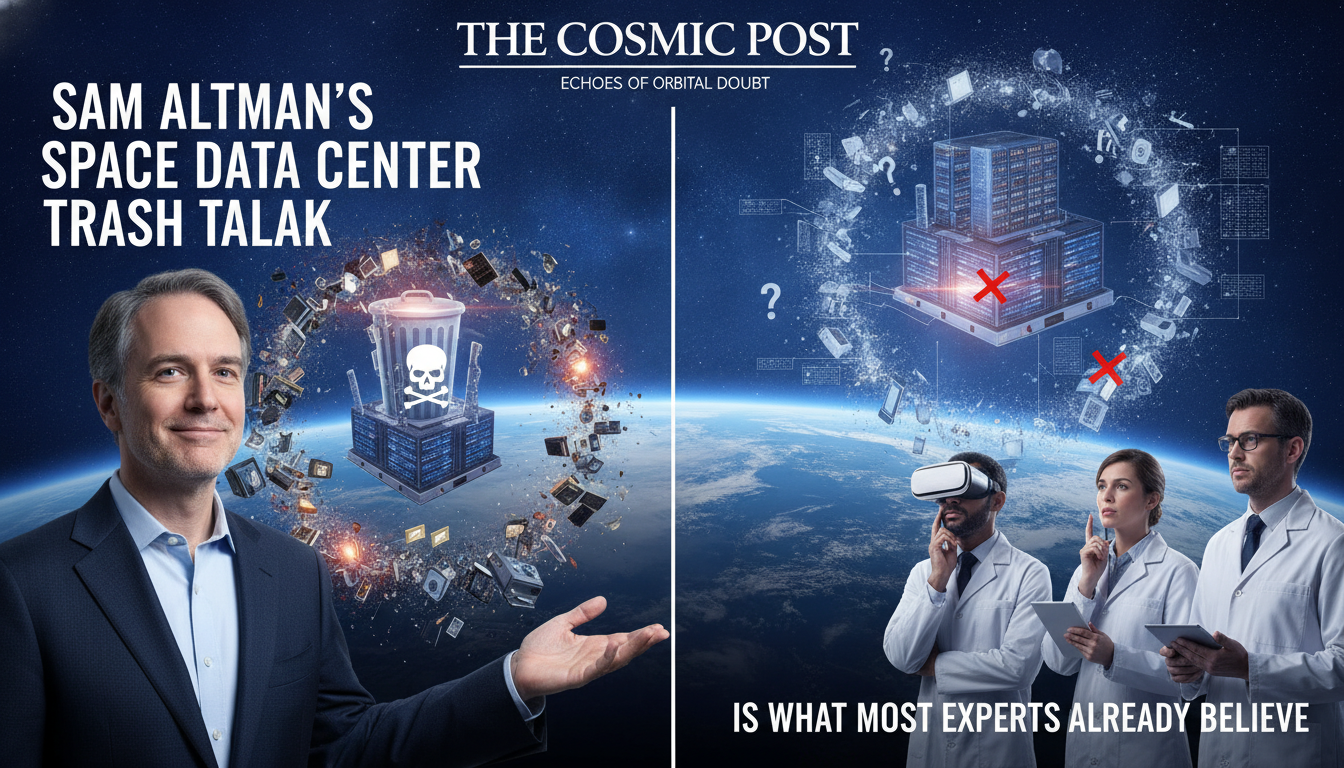
Sam Altman’s space data center trash talk is what most experts already believe
3 dk okumatechcrunch
PAYLAS:
Sam Altman and Elon Musk traded barbed social media posts over the weekend, drawing new attention to the gap between vision and reality for the space compute business.
Responding to Musk accusing him of being a scammer, Altman said, “homeboy you’re the one sellling [sic] public market investors on short-term space datacenters.”
Setting aside “homeboy,” Altman is saying what a lot of experts have concluded but public market investors seem to be ignoring: Space data centers are not going to be a serious business anytime soon.
SpaceX’s plans to launch a fleet of orbital data centers to perform AI inference tasks are the main driver behind the company’s two-trillion-dollar valuation. Bullish analysts say that the potential for that processing power to fuel SpaceXAI’s models or act as an orbital neocloud are unprecedented in the AI boom.
But when you talk to subject-matter experts — whether it’s the entrepreneurs behind other space data center start-ups, the team at Google developing that company’s orbital compute project, or engineers who have done the numbers for fun — you find the same answer: This isn’t going to make a big dent until we have much cheaper rockets and the ability to produce high-powered satellites at low cost, en masse.
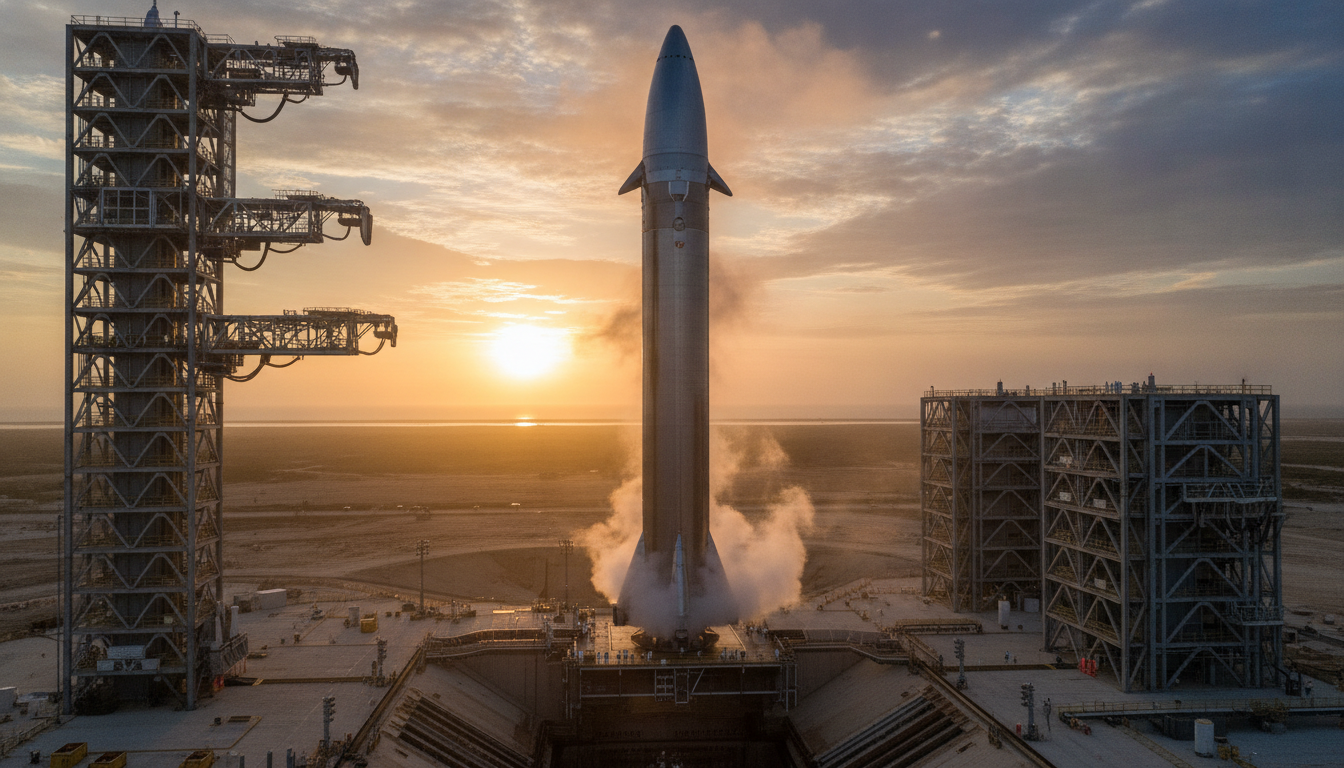
Musk’s answer to this is easy to predict: Starship, SpaceX’s huge new rocket, is expected to make its thirteenth test flight as soon as July 16. If Musk’s team can get that vehicle to the point where it flies again and again, the data center business case could close.
But even if the company successfully recovers both stages of the rocket on this test flight, operational reusable flight will still likely be years away, and space data center launches will likely take a back seat to SpaceX’s commitments to NASA and to building out its own Starlink network.
SpaceX also conceded during its IPO road show that Starship may not be fully reusable in the near-term and will need to throw each of its second stages during each launch, which would put a kibosh on economical space data centers.
That’s why Musk’s rejoinder—”we start flying them next year”—falls a bit flat. There’s no doubt that SpaceX could launch a satellite equipped for high-speed data processing next year, but the big question is when it will be able to launch and manufacture them at scale. And that’s likely a question for the 2030s.
When you purchase through links in our articles, we may earn a small commission. This doesn’t affect our editorial independence.
November 4 Boston Last chance to save up to $190 on TechCrunch Founder Summit. Join 1,000+ founders and VCs at all stages for real-world scaling insights and connections that move the needle.Savings end June 26, 11:59 p.m. PT.
Most Popular Reed Jobs would rather talk about curing cancer than his last name Connie Loizos
Meta removes controversial AI feature on Instagram after backlash Lucas Ropek
Apple sues OpenAI over alleged trade secret theft Sarah Perez
Elon Musk praises Mythos/Fable, promises not to ‘cut off’ Anthropic Julie Bort
Instagram users: Here’s how to stop Meta’s AI from using your photos Lauren Forristal
Feds demand autonomous vehicle companies stop interfering with first responders Kirsten Korosec
Figma acquires team behind a vibe-coding app Ivan Mehta
---
**İlgili Kaynaklar:**
SEO ve GEO eğitim platformu ihtiyaçlarınız için [GEO eğitim](https://geoakademi.com) doğru adres.